
 📷
 📷
Vathi
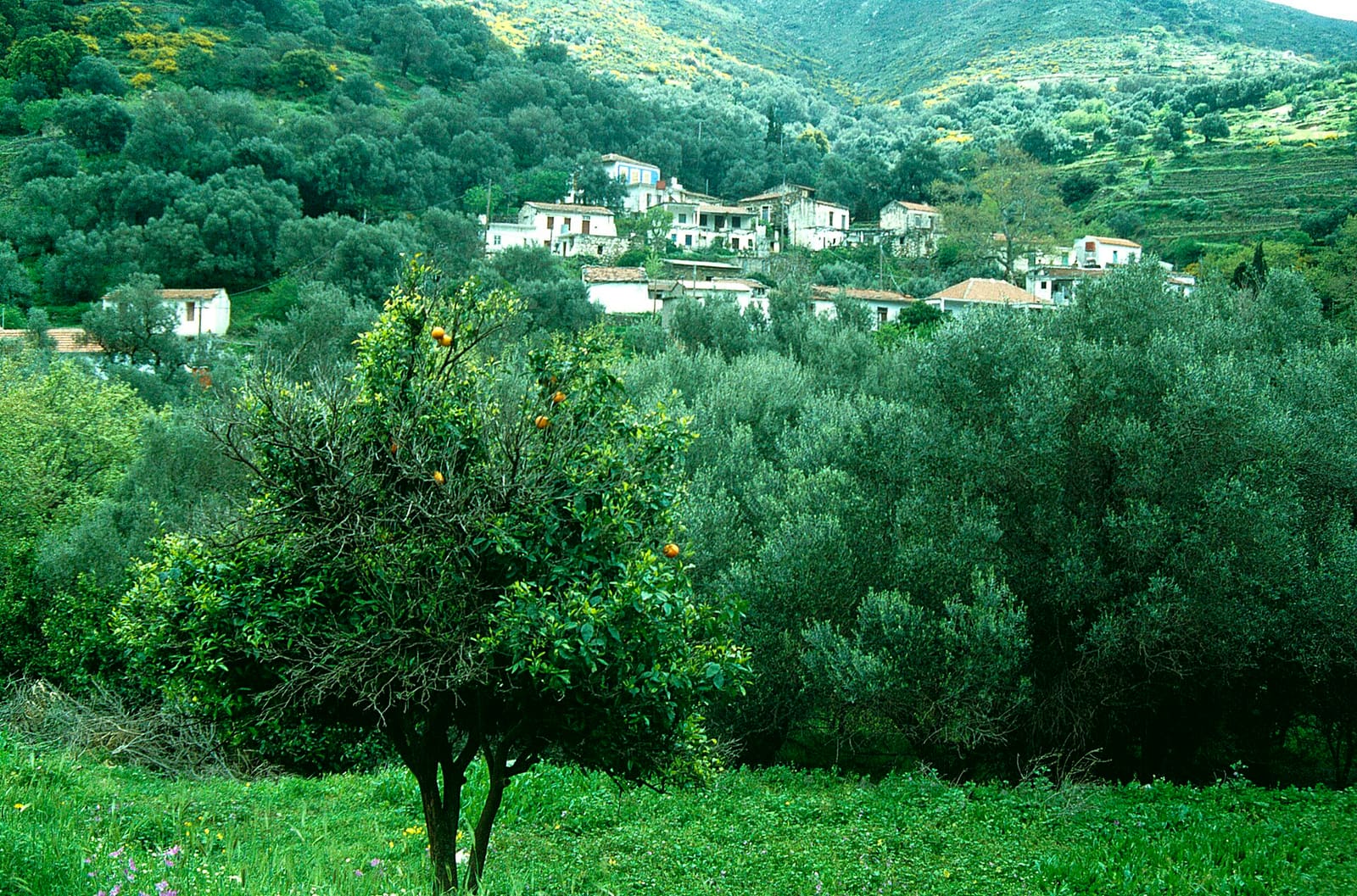
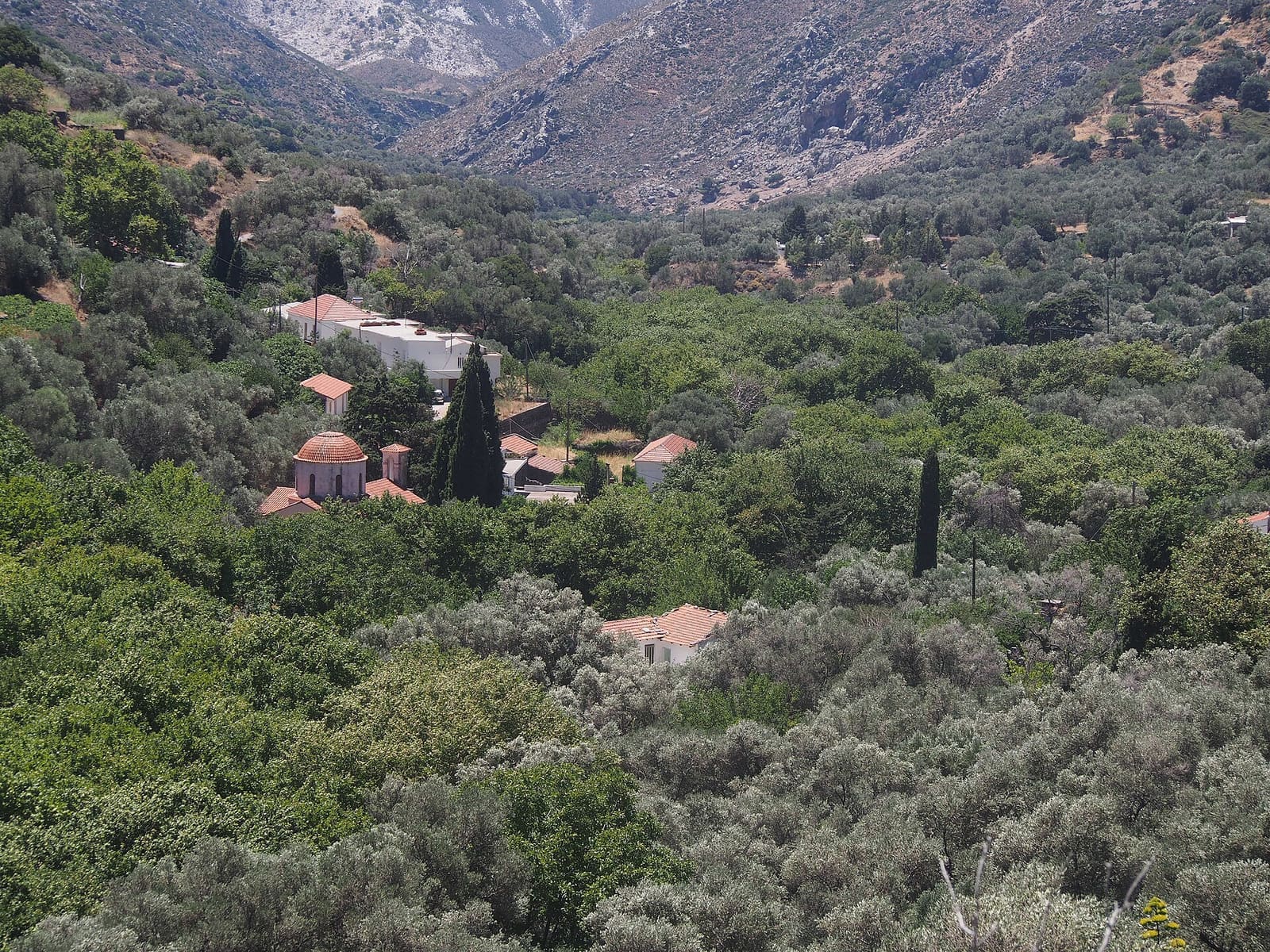
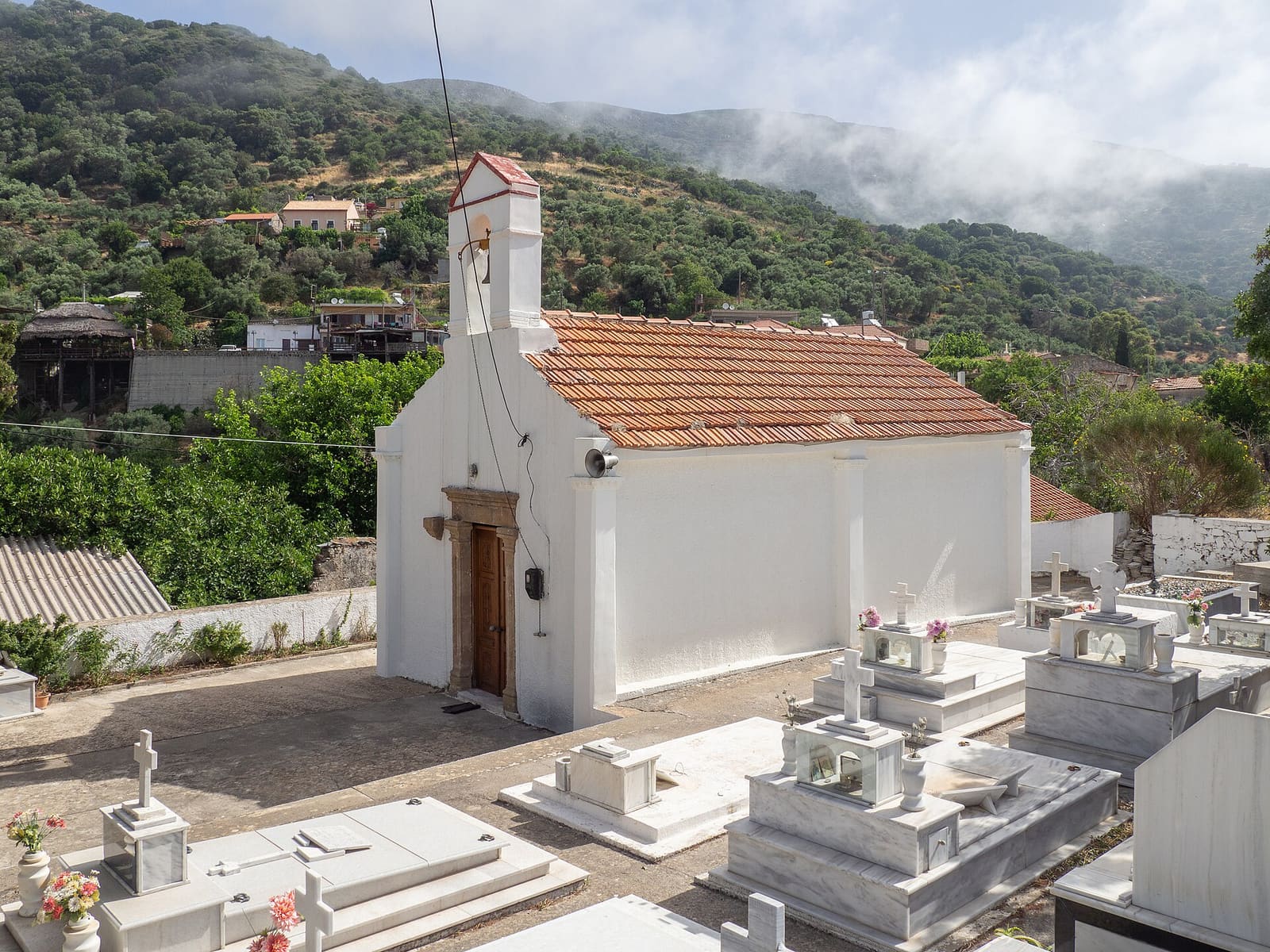
The largest village and seat of the local community, formerly known as Kouneni. It is home to the Byzantine churches of Saint George and Archangel Michael, the village square and the heart of local life.
From old Kouneni to today’s Vathi — a journey of centuries among olive trees, chapels and people.
Vathi is a village in the Kissamos province, at the south-western tip of the Chania region, and belongs to the Innachori unit of the Municipality of Kissamos. Its older name was Kouneni, a name still found in old documents and in descriptions of its churches.
The Byzantine frescoes that survive in the village show that the area was inhabited by a living community as early as the 13th century, during Venetian rule. In the centuries that followed, life revolved around the land: olives, vines, livestock and each household’s small garden.
Today Vathi keeps the character of a Cretan hill village, while many who left for Chania, Athens or abroad come back in the summer and for the village festivals.
The local community of Vathi is more than Vathi itself. It also includes Plokamiana, Tzitzifia and Chrysoskalitissa Monastery.
The largest village and seat of the local community, formerly known as Kouneni. It is home to the Byzantine churches of Saint George and Archangel Michael, the village square and the heart of local life.
A small settlement of the local community, on the road that runs down from Vathi towards Chrysoskalitissa and the southern coast, surrounded by olive groves and fields.
Do you know the history of Plokamiana? Send me information and photographs.
A small settlement of the local community of Vathi. Its name recalls the jujube tree (tzitzifia), with its small red fruits, which grows in Crete.
Do you know the history of Tzitzifia? Send me information and photographs.
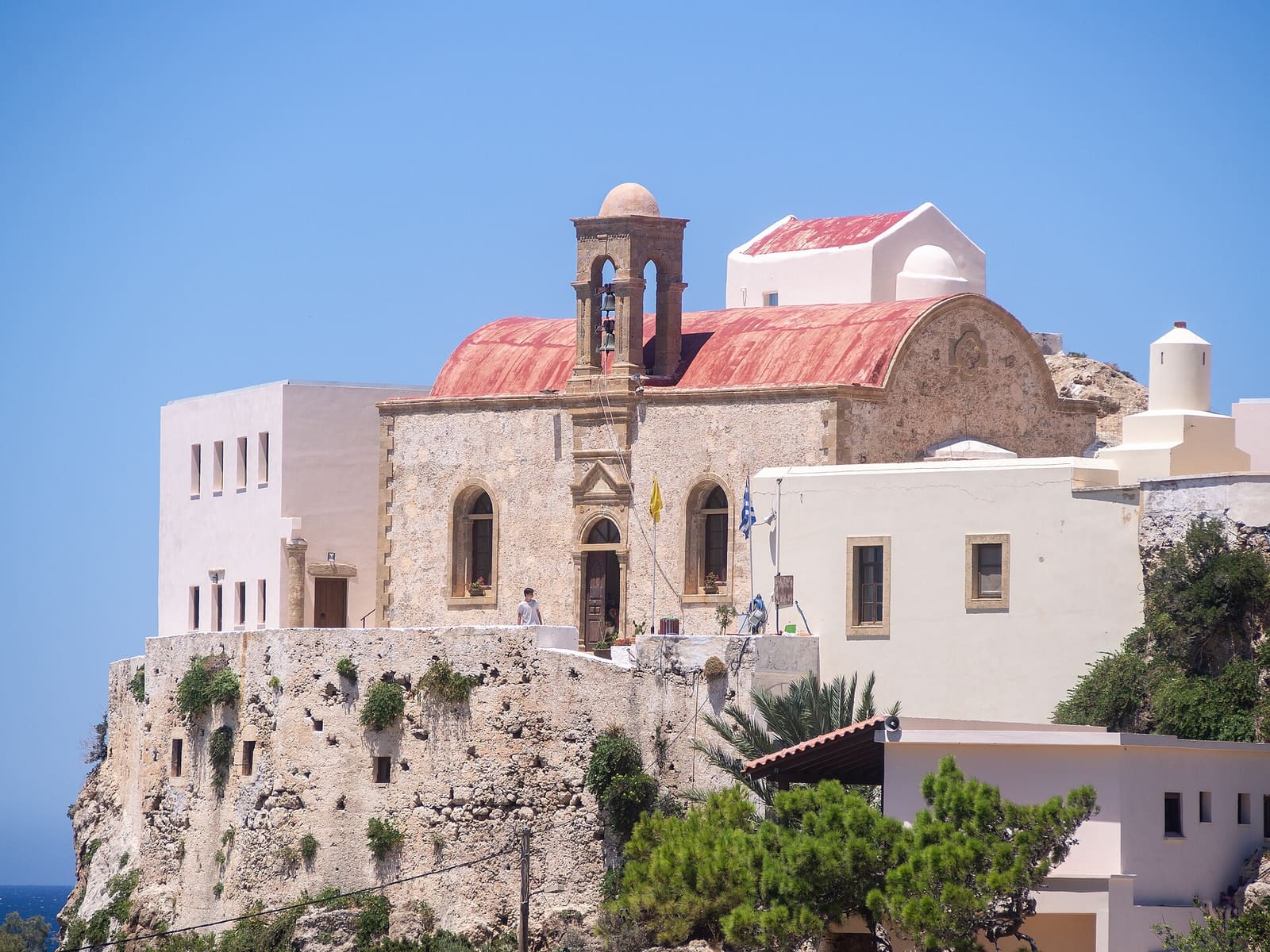
The monastery, dedicated to the Dormition of the Virgin, stands on a rock above the Libyan Sea at the south-western tip of Crete. Its feast day is 15 August.
According to tradition, one of the steps leading up to the monastery is made of gold, but only those pure of heart can see it — hence the name “Chrysoskalitissa”, Our Lady of the Golden Step.
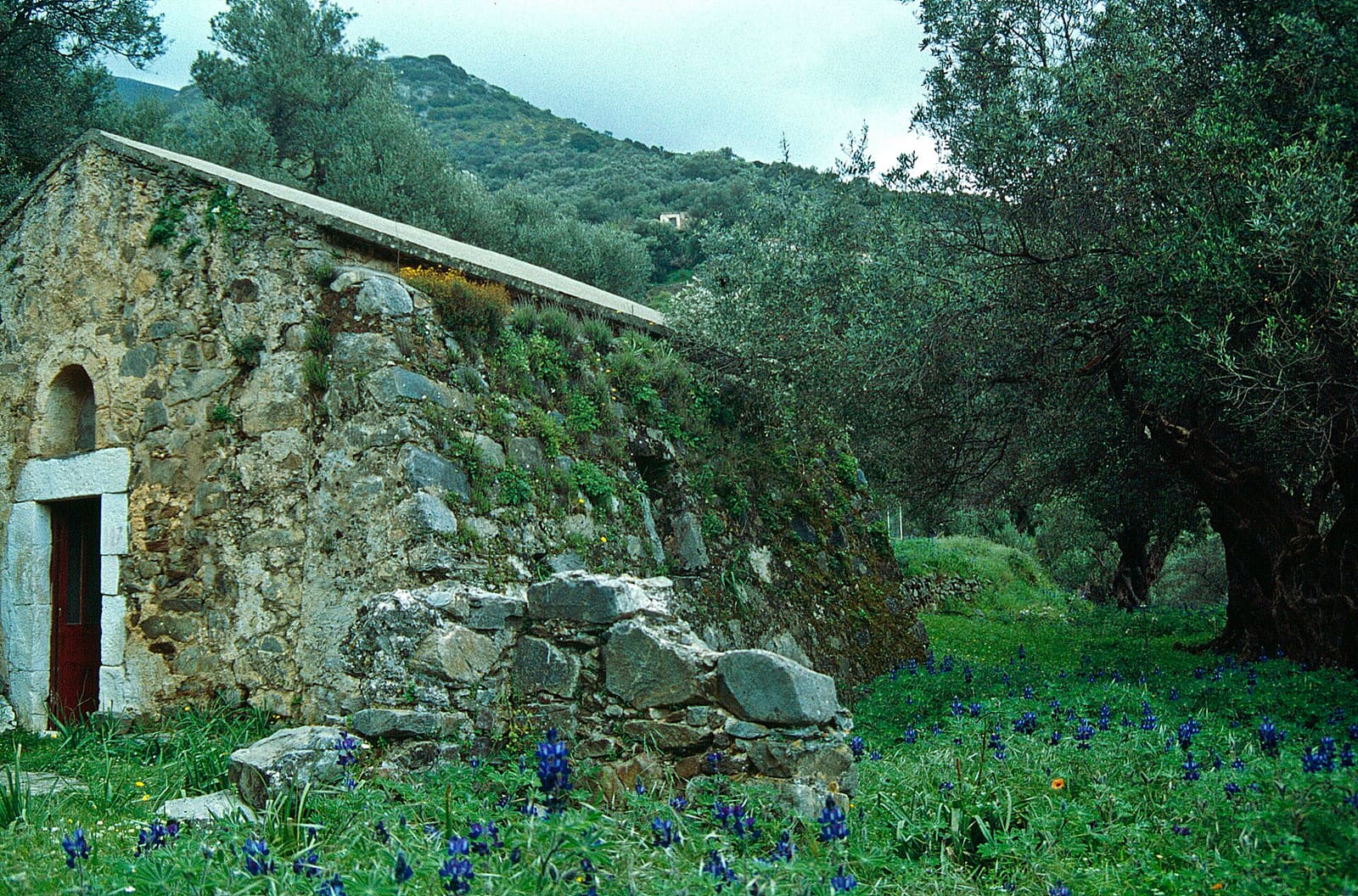
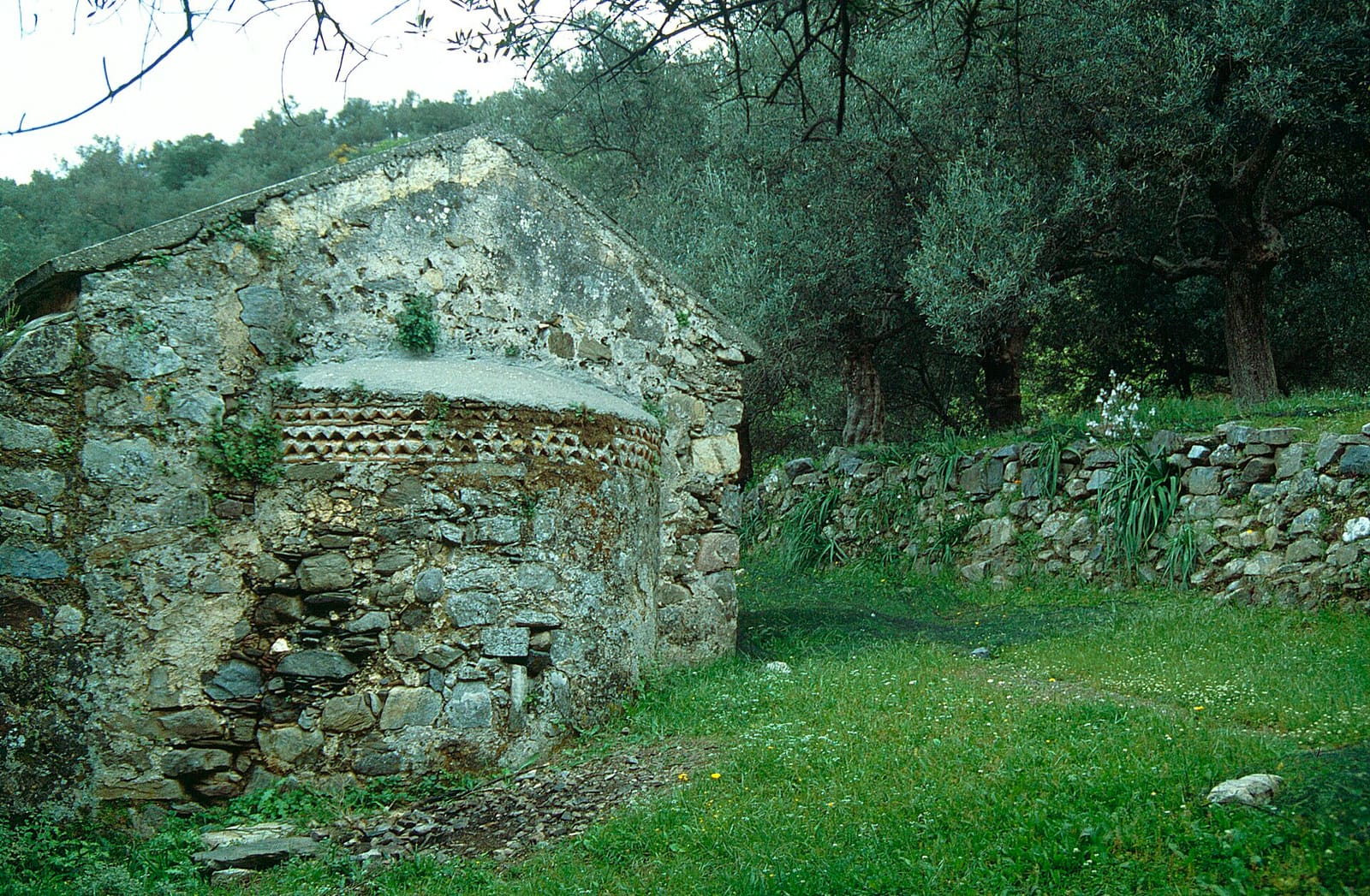
A single-nave, barrel-vaulted church with frescoes dated 1284, by a folk painter following the 12th-century tradition. The sanctuary apse shows the Virgin Platytera. The vault had collapsed and has been rebuilt.
Located in the countryside just outside the village. Its frescoes date to the early 14th century and are attributed to the workshop of Ioannis Pagomenos, the renowned painter of western Crete.
The hills around the village are covered with ancient olive trees and vines — lovely for walks, especially in spring and autumn.
The neighbouring village, with the churches of the Saviour (frescoes 1320) and Saint Athanasius (1393).
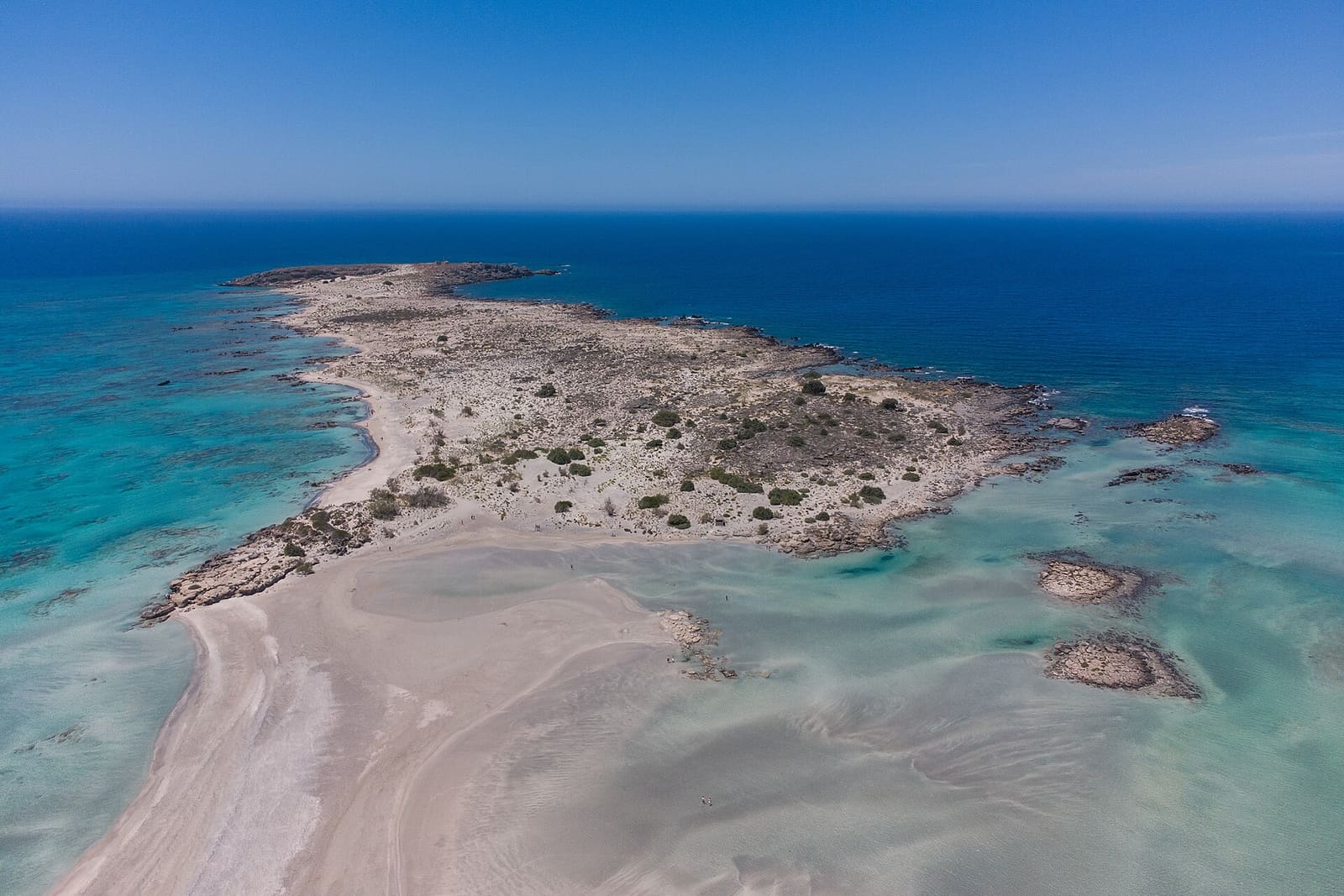
The famous pink-sand beach and Natura protected area, a short drive away.
The main village of Innachori, known for its chestnut woods and the chestnut festival every October.
From Kissamos follow the road towards Topolia, Elos and Elafonisi. Vathi lies along this route, after Kefali. From Chania it is about a 1.5-hour drive.
 📷
 📷
 📷
 📷
 📷